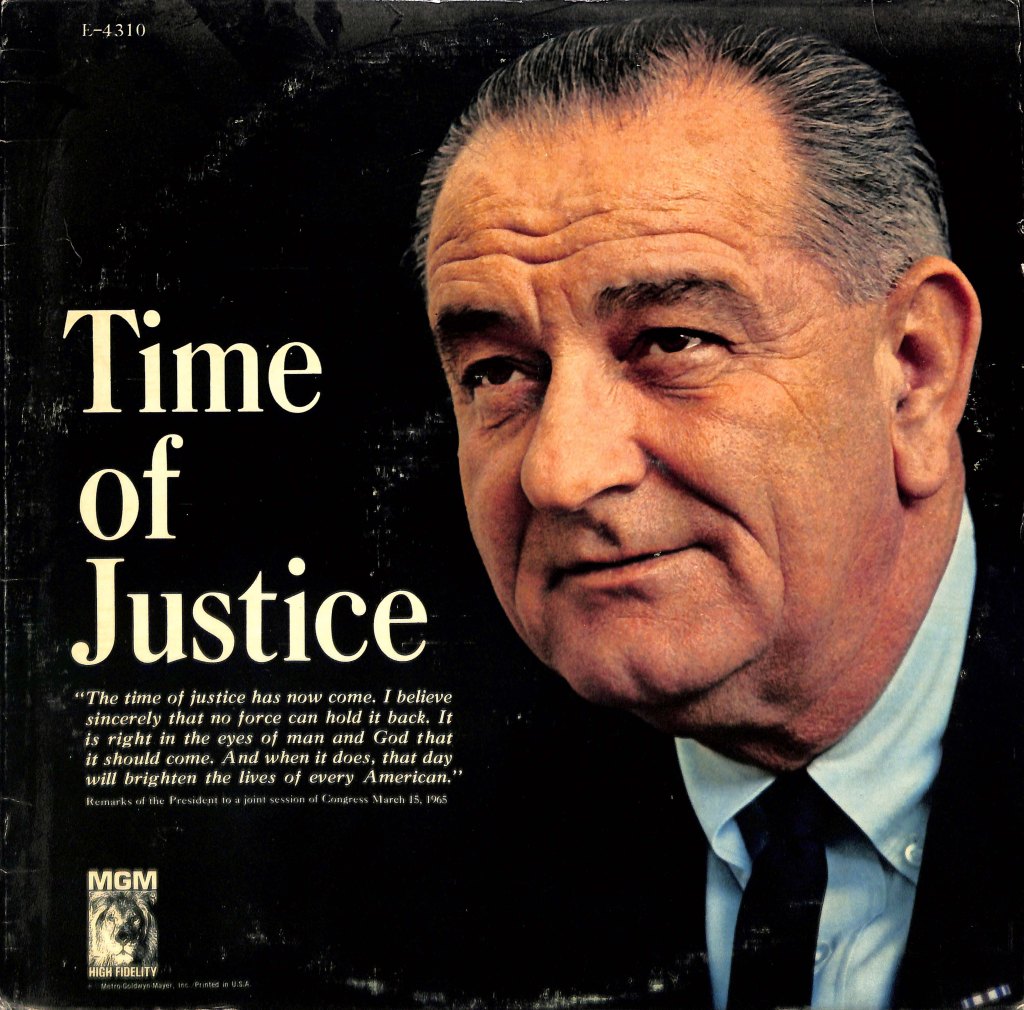
PCR’s LP collection: folk songs, train songs, civil rights songs, Russian songs, and a bunch of political nerdery.

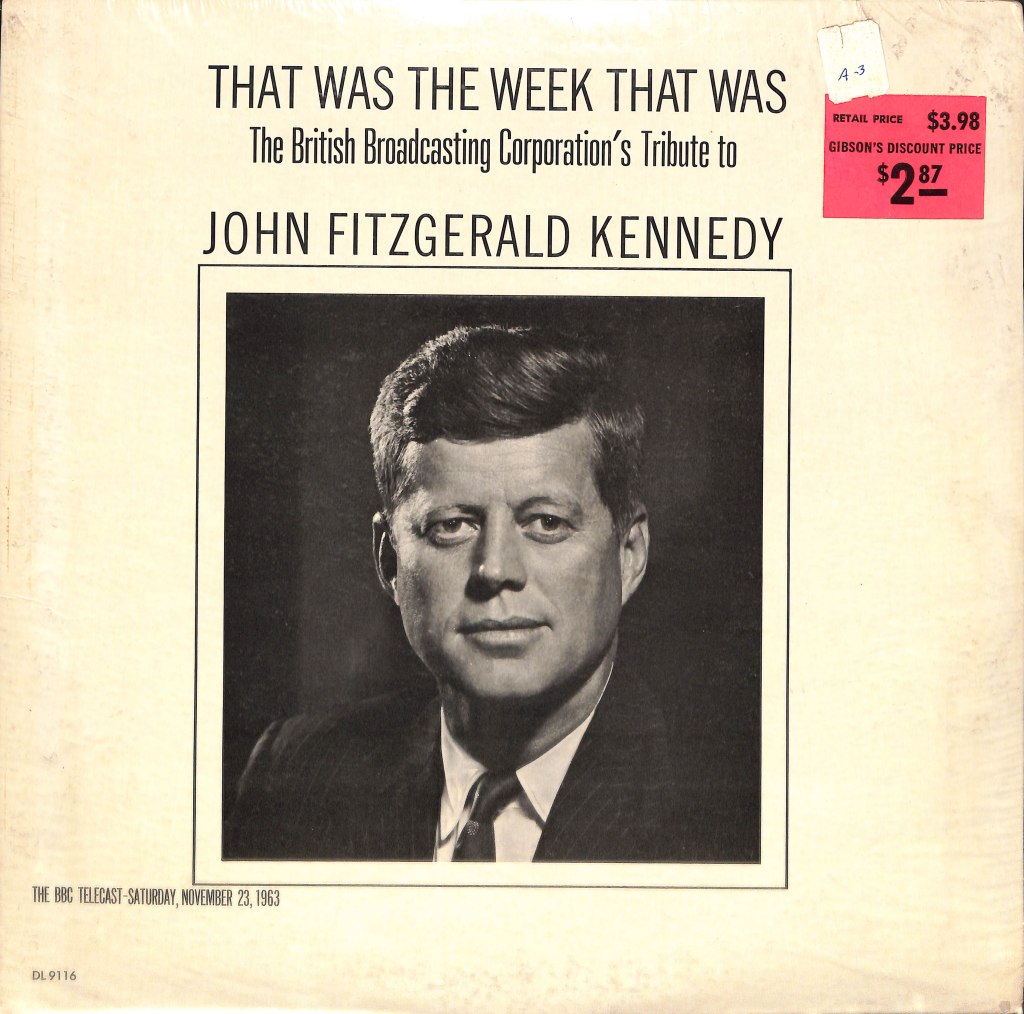
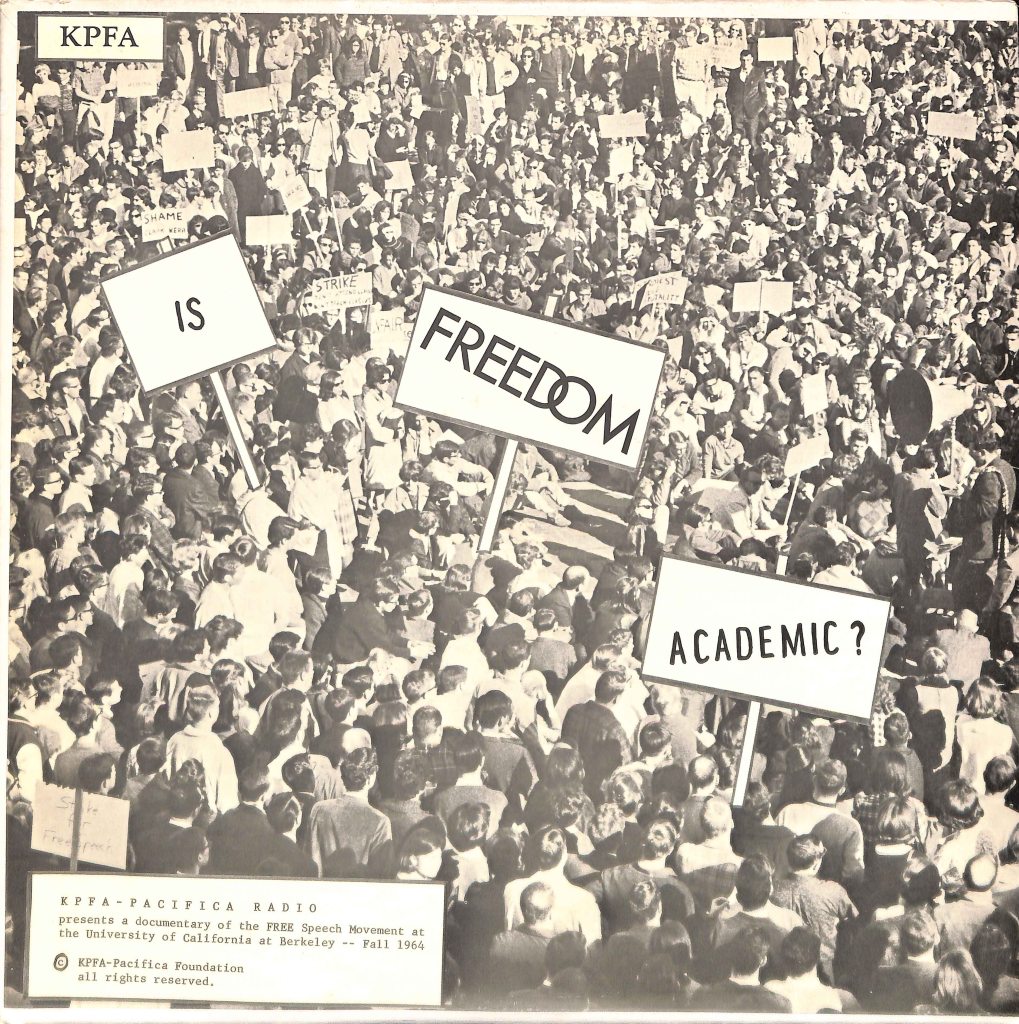
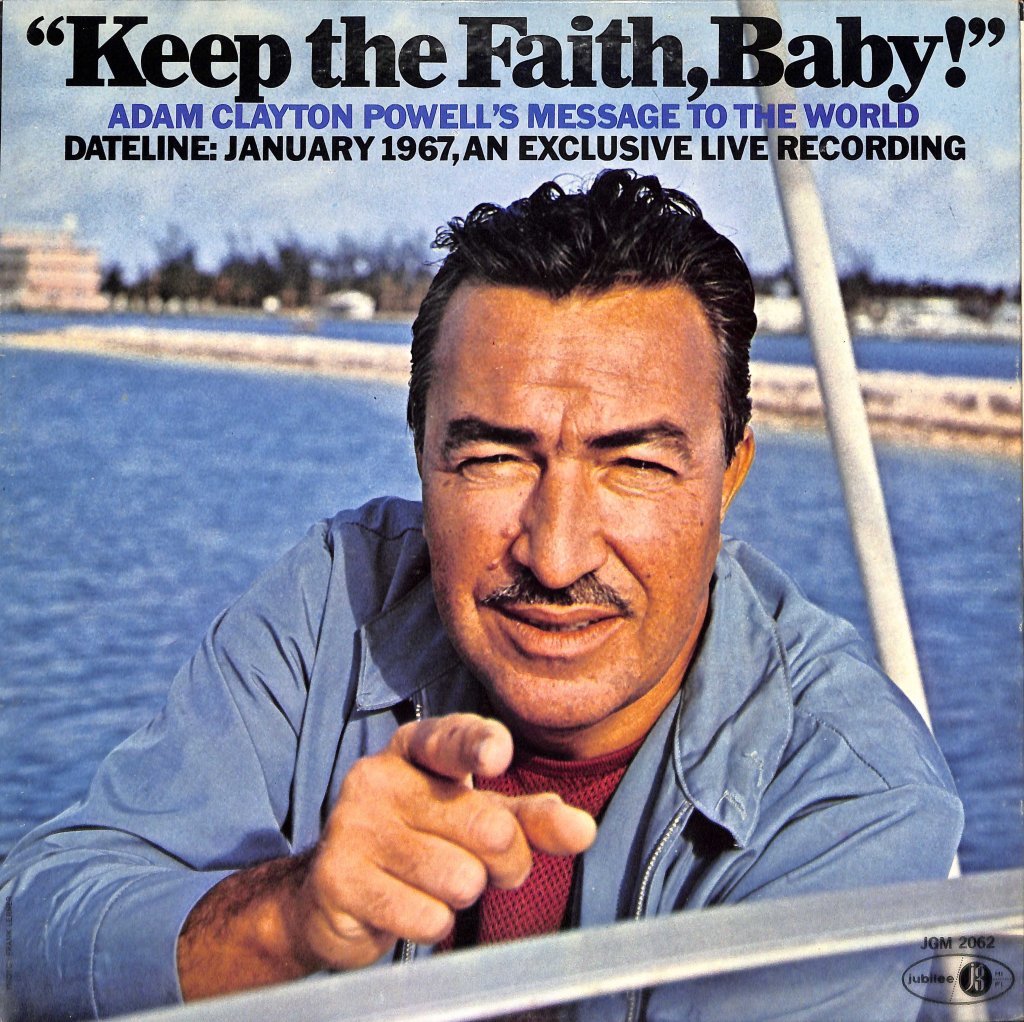
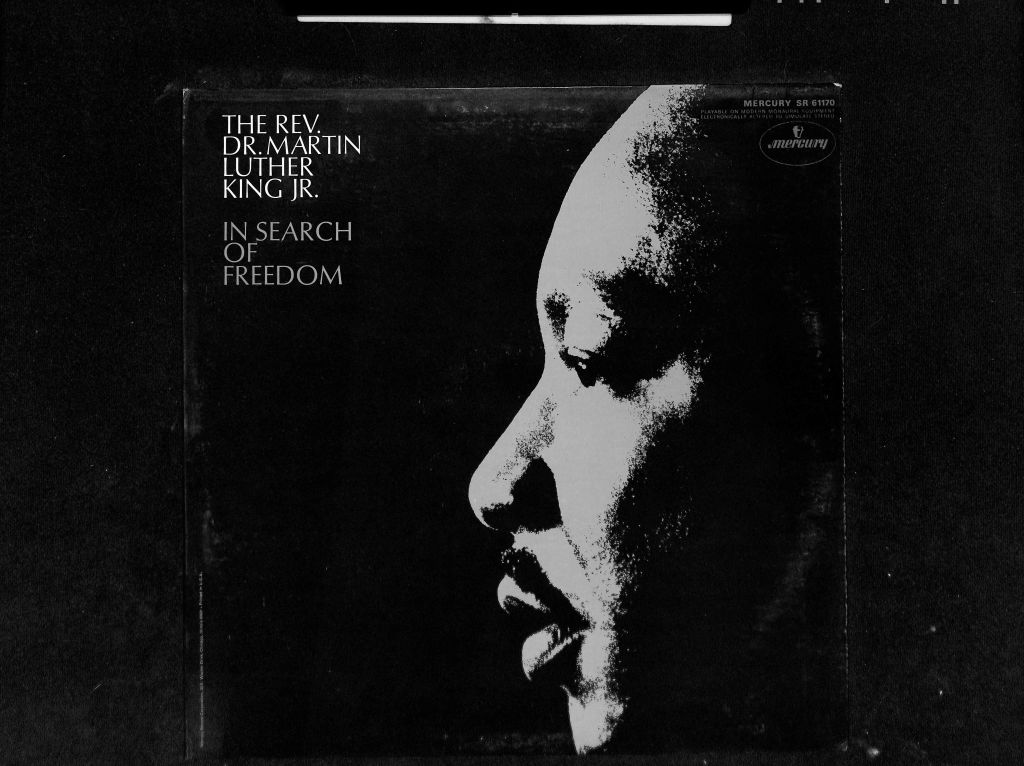
My father couldn’t carry a tune with a forklift, but boy did he love to sing. I have hilarious memories of him encouraging us to sing in the car, with the result that he and I would belt out “Roll On Columbia” together while my more musically-astute mother and brother cringed in their respective seats. After Dad passed in 1997, I got his collection of LPs, which I stored and moved and lugged around thinking I’d transfer them to digital media someday. Of course not. This year, I gave them to the Colorado Cross-Disability Coalition where they will feature in future fundraising efforts — stay tuned! Before sending them along, I took photos of some of the most memorable, most Dad-resonant, of the covers.

His collection consisted of folk songs; political songs (big overlap with folk songs); train songs; spirituals; historical songs; historical speeches and voices; comedy (I swear to God we had George Carlin’s Seven Words on LP but I couldn’t find it); two children’s records; and a number of records in Russian including Paul Robeson and the Red Army Chorus.

Note: All of the images below have alt text describing both the images and text on the pictured LP covers.

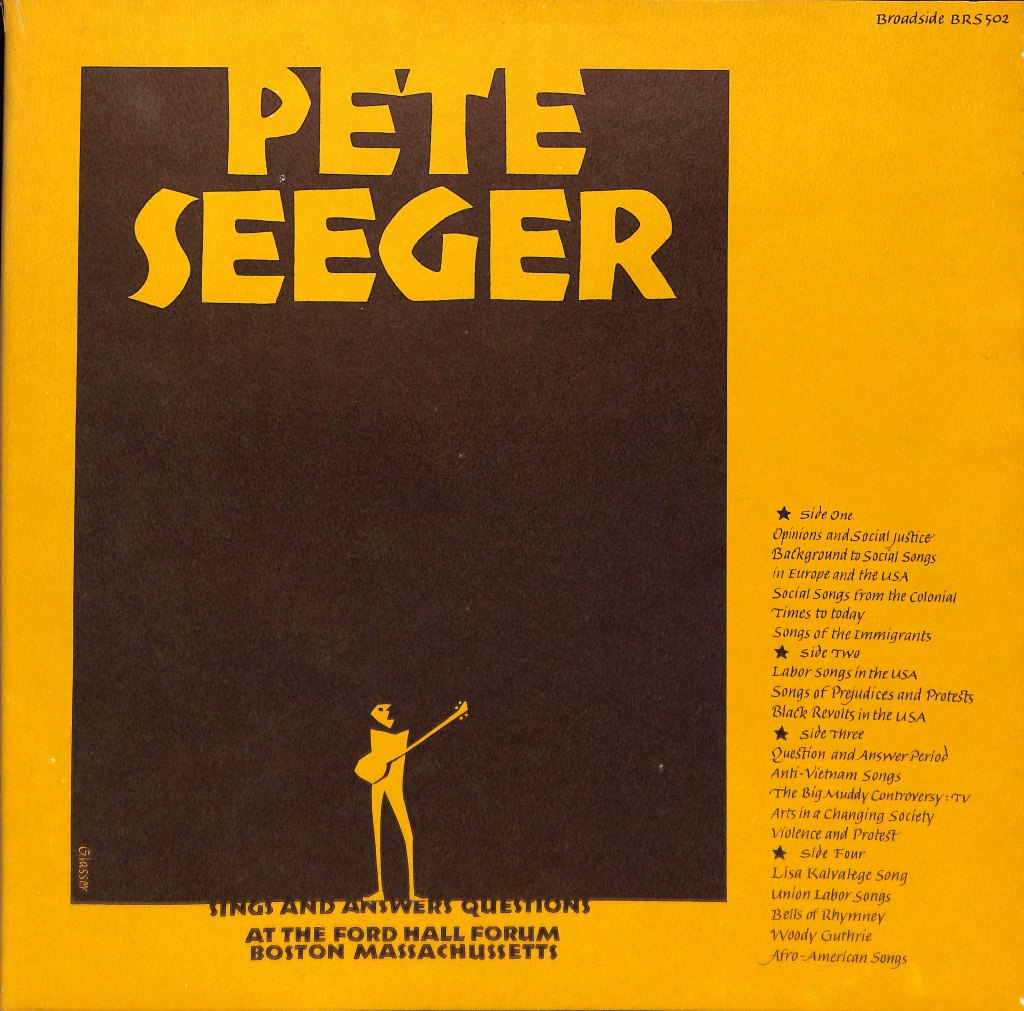
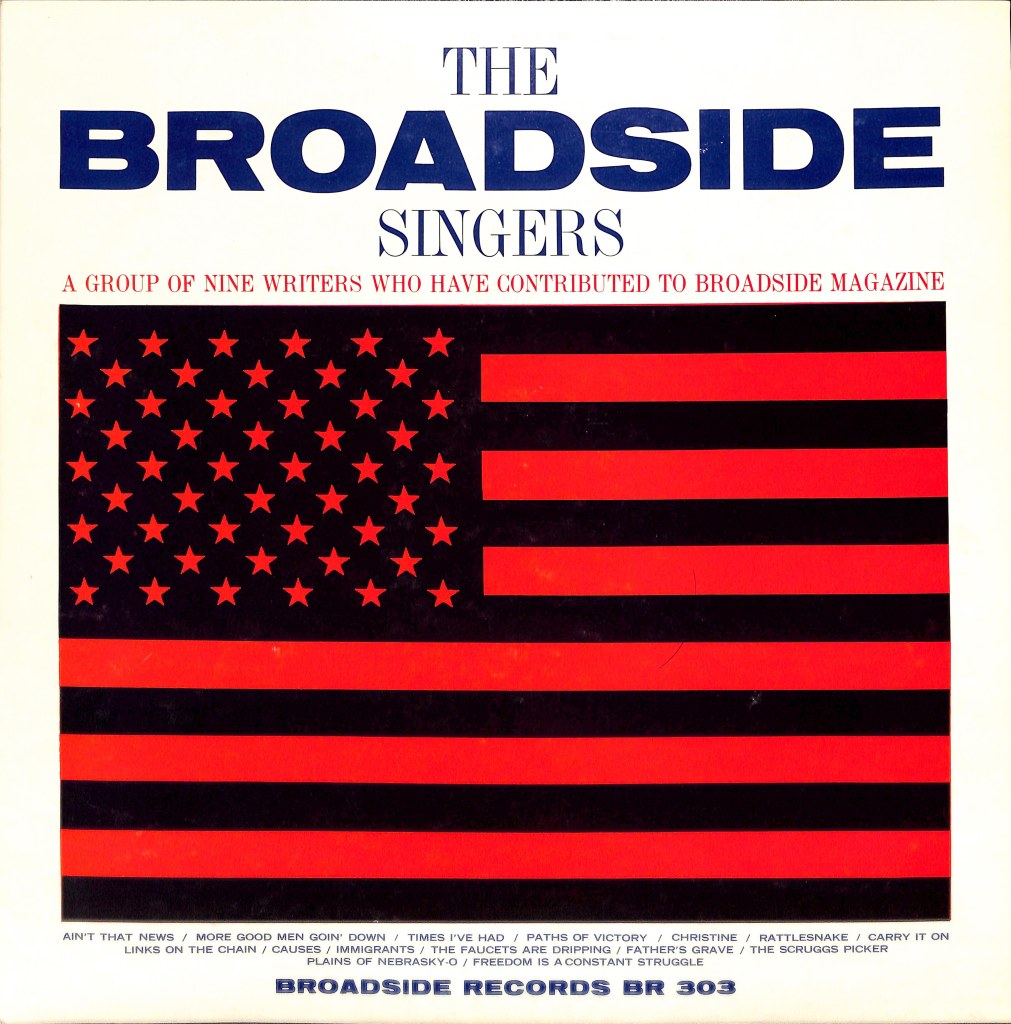
Folk Songs & Political Songs starting with his all-time favorite singer, Pete Seeger. Note that the Darling Corey album was so old he was called Peter Seeger.

Political/topical songs:

Train songs:

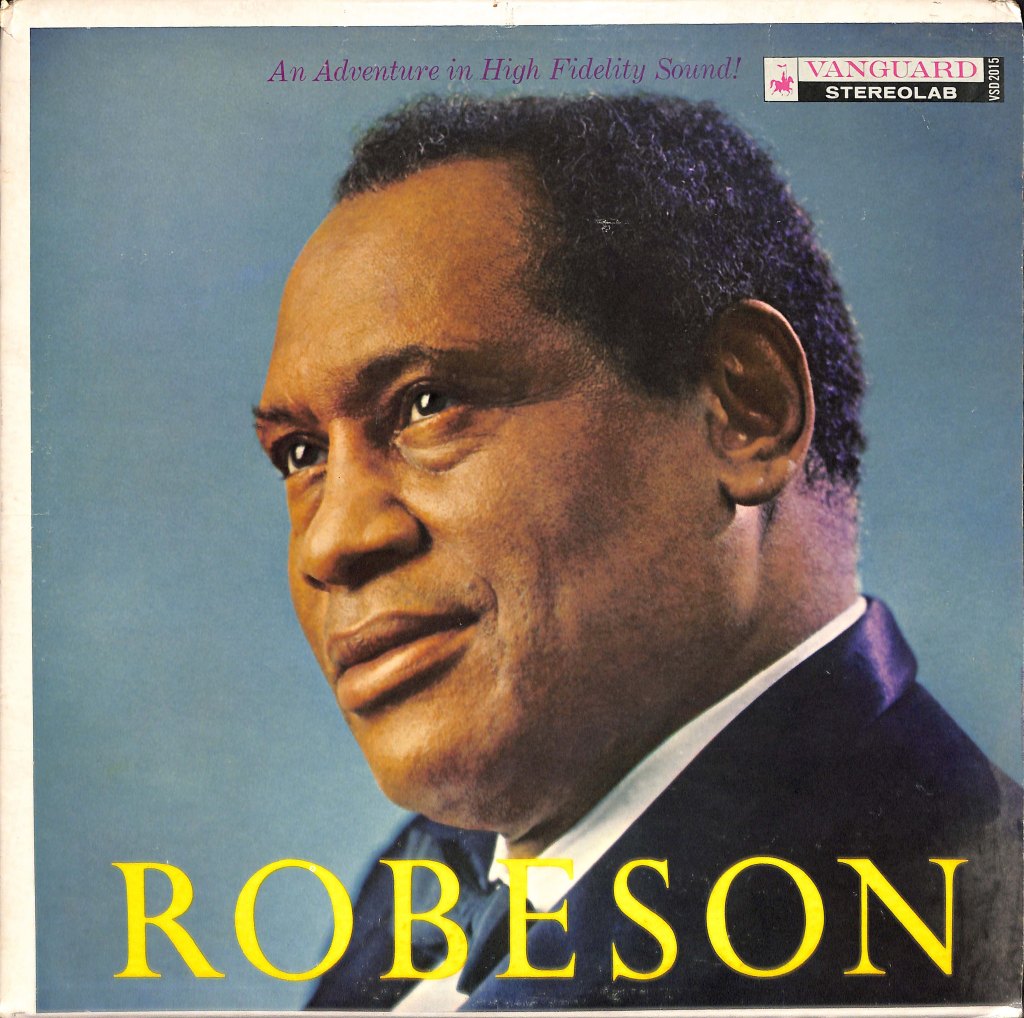
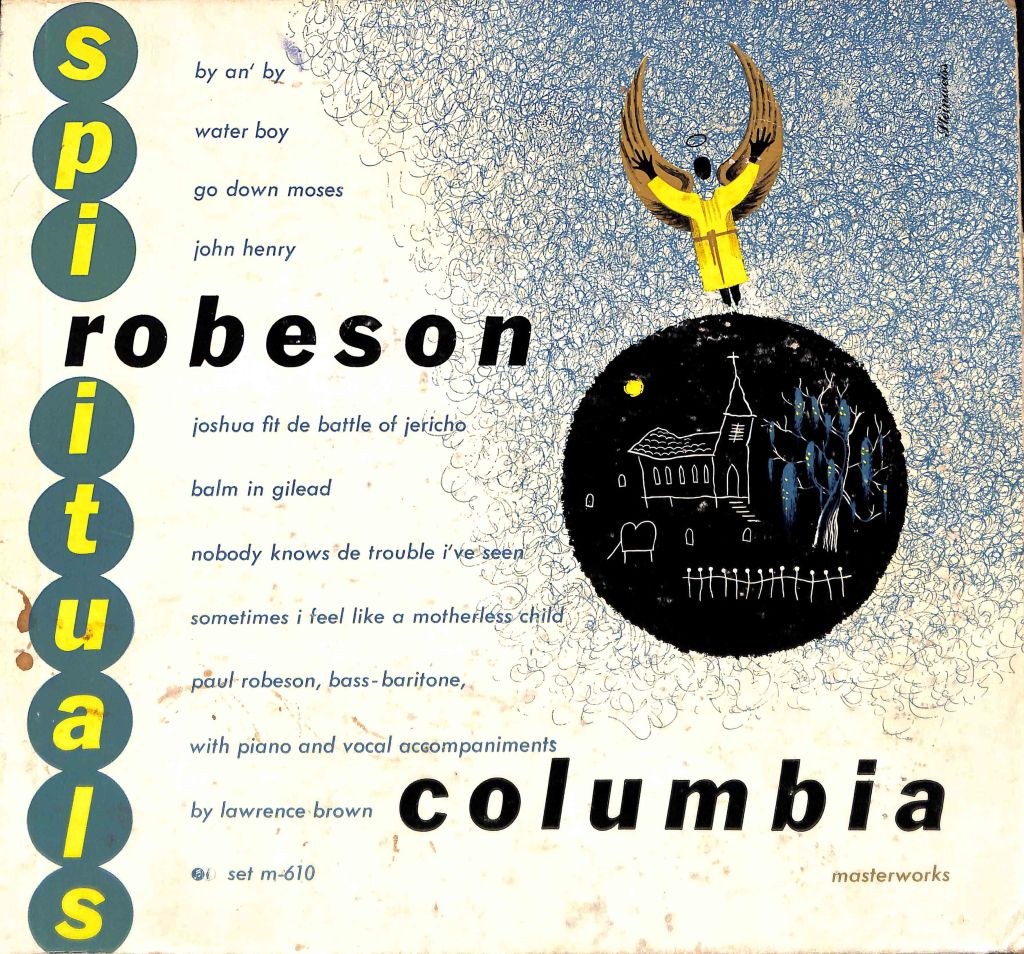
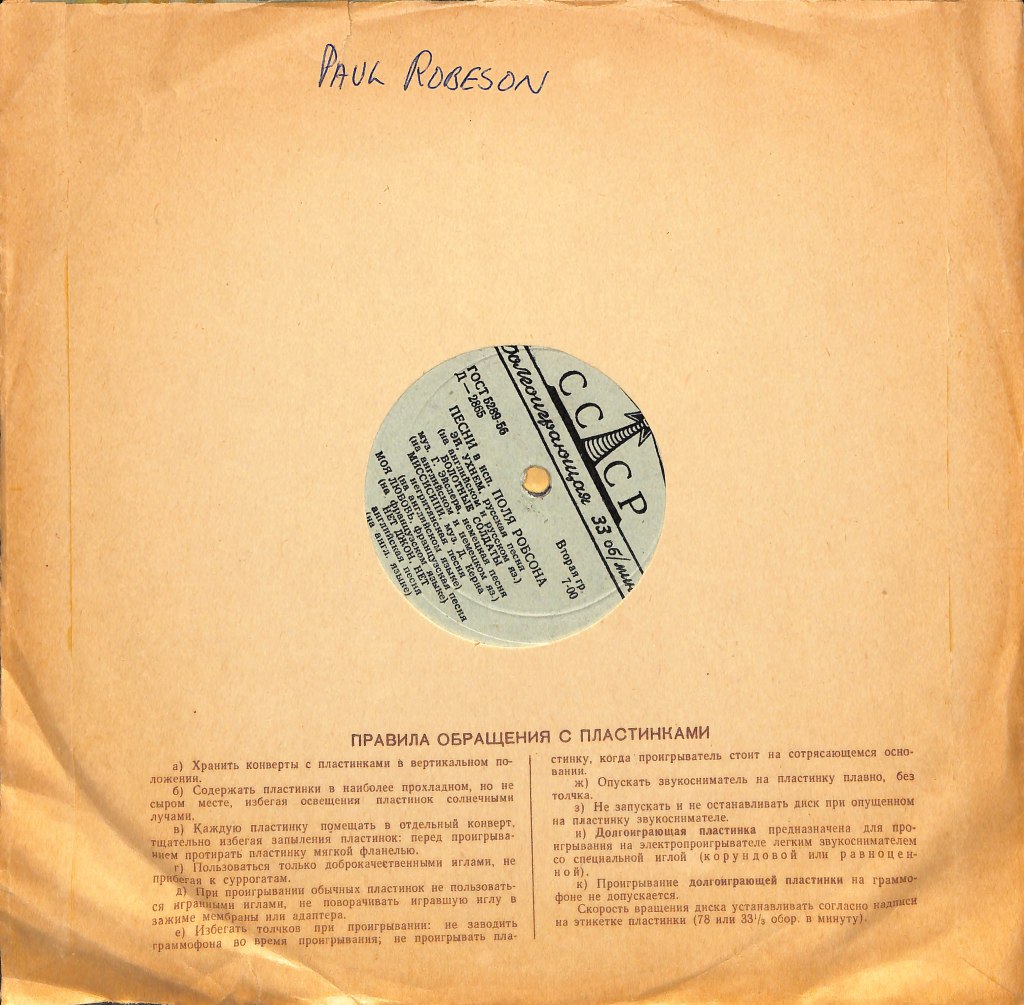
Paul Robeson, in English and Russian

And
Political speeches and voices, starting with Adlai Stevenson and Chester Bowles, two quixotic campaigns to which my Dad devoted a lot of time and energy:

This astonishing record in which various stars of the day spoke about the EEOC and Title VII of the Civil Rights Act of 1964, the agency and statute to which my father devoted his entire professional life.

And more history and political nerdery:

Comedy:

Two children’s records, which I remember fondly, though I regret that the delightful teachings of the Philadelphia Orchestra, Cyril Richard, and Benjamin Britten in the “Peter and the Wolf Young Person’s Guide” did not really stick.

And finally, three more records in Russian, two of which I can identify from my father’s handwritten notes — the Folk Song Chorus from Omsk and the Red Army Chorus — and the third my Russian-fluent mother has informed me is gypsy music.

WILL THE REAL “FORCED HOUSING” PLEASE STAND UP

Title: WILL THE REAL “FORCED HOUSING” PLEASE STAND UP

Date: Sometime between 1963 and 1967.

Overview: PCR debates real estate developer – and fair housing opponent – Ray Brummet.

Link to original:   https://petercrobertsonarchive.com/wp-content/uploads/2018/11/will-the-real-forced-housing-please-stand-up.pdf


Excerpt:

Mr. Brummet is in the process of constructing in Jefferson City one of its largest and most attractive suburban developments. … [He] has talked at length about not interfering and forcing something upon the owner of real property but yet he knows and I know that in establishing this subdivision he was protected by the knowledge that government will protect him, that society has made certain value judgments and will exercise them to protect him from anyone who would buy property in that subdivision and use it in such a way that would be harmful to the residential character of the neighborhood. Thus, Mr. Brummet, if I were to purchase one of your houses I would be forced to refrain from utilizing it to establish a filling station, a vulcanizing plant for putting retreads on old tires, a bar or a brothel. Mr. Brummet I am sure does not oppose this force being placed upon me. It seems to me that the same society which gives meaning and strength to the term private property by protecting it with police power and which forces the owner of the property not to use it in certain ways can also make the policy decision that it is in the interest of the kind of society which he wants to say that the individual can continue to dispose of his property in an unfettered fashion with the sole exception that he cannot discriminate in making that disposition because of the race of the party to whom he is selling.

Full text:

It is always a pleasure for me to appear on a platform with Ray Brummet, one of our leading real estate dealers in Jefferson City and perhaps one of the leading real estate dealers in the nation in terms of his honest willingness to publicly admit and state the point of view of the real estate industry. While I will tonight rather strongly attack some of the things which he has said because I believe they are based on misconception, I want to make it clear that I am in no way attacking him personally for I have the greatest respect for his ability as a real estate operator, for his talents as a businessman who is, as he suggested, in this field for the sole purpose of making money and not for the purpose of engaging in any social experimentation. He has outlined to you tonight the classic statement of the position of the real estate industry a position which some members of that profession sometimes adher[e] to more in theory than in practice — but nonetheless the basic theories on which they operate when they discuss problems of integrated housing.

Because Mr. Brummet has placed so much emphasis in his remarks upon the “social significance of real property” in a capitalistic free enterprise system and because he has based so much of his own opinions, views, and actions upon his own desire to make money I thought I would start out this evening by giving you a few ideas on my own frame of reference as to the “social significance of real property”, and the importance of deeply reconsidering the way we currently handle real property transactions in a free enterprise capitalistic economy. Continue reading “WILL THE REAL “FORCED HOUSING” PLEASE STAND UP”

Speech: Missouri State Curriculum

Title: “Challenges That Must Be Met In Making Education Work In A Democracy When That Democracy Faces Controversies Such As Civil Rights.”

Date: 1964

Audience:  Unstated, but from context likely Missouri state education officials.

Link to original:  https://petercrobertsonarchive.com/wp-content/uploads/2017/02/curriculum-speech.pdf


It’s not often that I get a chance to hear the critique of previous speakers, tailor my remarks, and know what to say and what to avoid.  For example, I sat up until 2 o’clock last night preparing a very impressive list of proposed ideas for curriculum changes you might consider and I have now been told that you probably won’t do anything about them.  I’m not easily discouraged.

It’s certainly a pleasure for me to come here to discuss this topic with you.  I had thought I was going to discuss one topic and when the program arrived in the mail the topic that I was assigned was different — it was: “Challenges That Must Be Met In Making Democracy Work In an Era Marked by Civil Rights Controversy.”  I have taken the liberty of changing that a little bit. I have rearranged the word order: “Challenges That Must Be Met In Making Education Work In A Democracy When That Democracy Faces Controversies Such As Civil Rights.”  A slight change but I think after I looked over the outline that I had written that it seemed to fit a little better.

Because I interpret the scope of your organization as dealing primarily with curriculum I will direct my remarks primarily toward ideas that might be in your mind in developing curriculum in the future.

I realize full well that you probably can’t look at curriculum as an isolated item from the rest of the whole school administrative program.  Certainly you cannot talk about new curriculum ideas unless you have an idea where you’re going to get the people who will be able to teach them, or the facilities if need be, such as language laboratories if you are going to undertake a concentrated language instructional program.  You can’t do these in a vacuum without thinking of personnel, equipment and all other aspects of school administration, but, with that warning, I will aim my remarks primarily at curriculum.

Continue reading “Speech: Missouri State Curriculum”