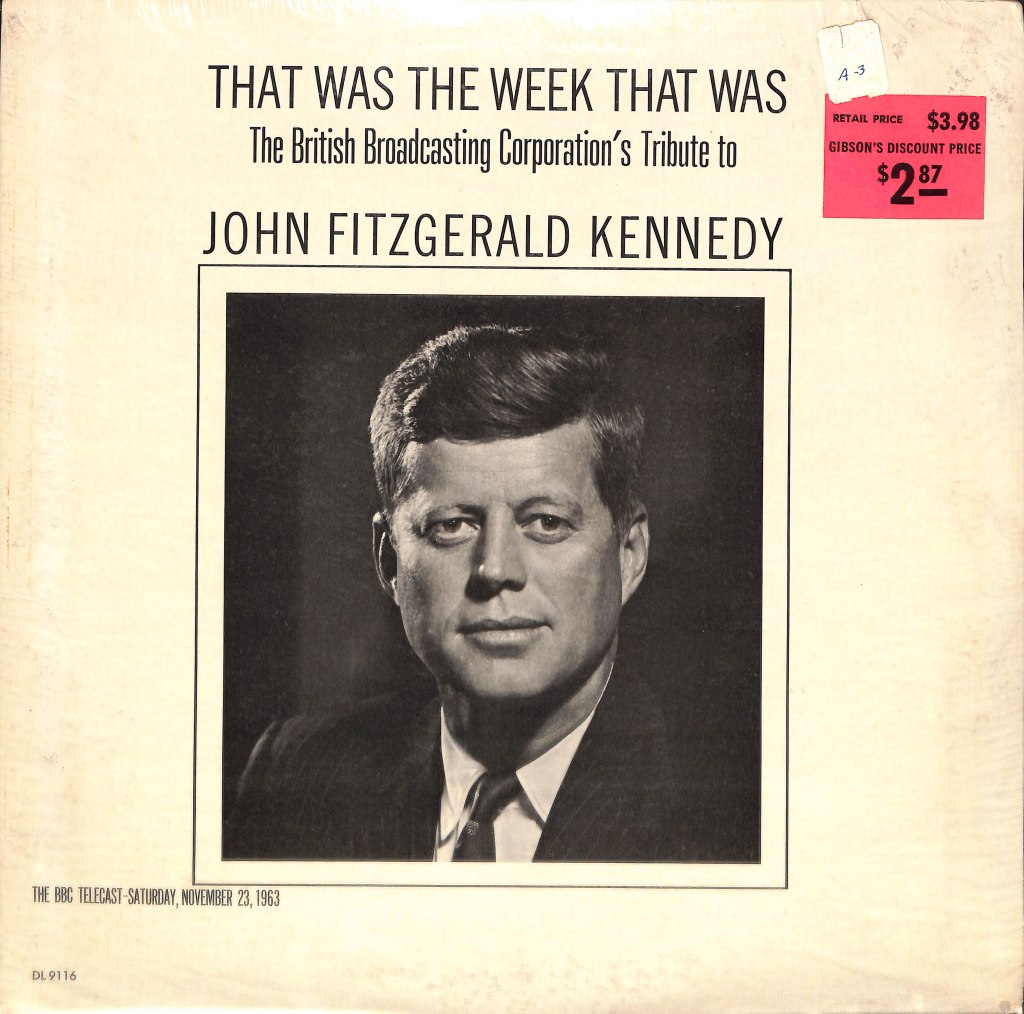
PCR: the Kennedy assassination “can be laid squarely at the door” of southern governors flouting the law.

In a letter to his brother dated December 12, 1963, my father wrote:

[T]he assassination of President Kennedy . . . was not only a deep personal loss, for I felt very strongly that President Kennedy was “my type of person”, but it is a tremendous institutional loss to this country. It clearly represents the climax of a period in which almost every individual in this nation without exception has felt free when it served his only selfish end to disregard the law and to disregard the fact that the only thing which separates a civilized society from a jungle is rule by law and the willingness of most individuals in the society to voluntarily obey that law. His death — whether it was by a right-wing extremist, a left-wing extremist, or a demented individual — can be laid squarely at the door of the Governor of Mississippi and the Governor of Alabama who thought that law could be [flouted]. It can also be laid at the door of every butcher who ever put his finger on the scales or every taxpayer who ever cheated on his taxes. This nation did not wake up to where it was going when one Negro leader was killed, it did not wake up when four little girls were brutally slain. Let us hope that the death of the President will cause some awakening before it is in fact too late.

I was struck by the resonance with our current political scene, in which the lawlessness and cruelty at the top has clearly opened the door to rampant lawlessness and cruelty in society, especially the right-wing side. But also read with sadness that he believed this was “the climax” of this trend, when in fact it simply went underground — or maybe not underground but out of fashion — long enough to pass the civil rights and fair housing acts — but was in fact just waiting for Trump to unlock the gates of hell.

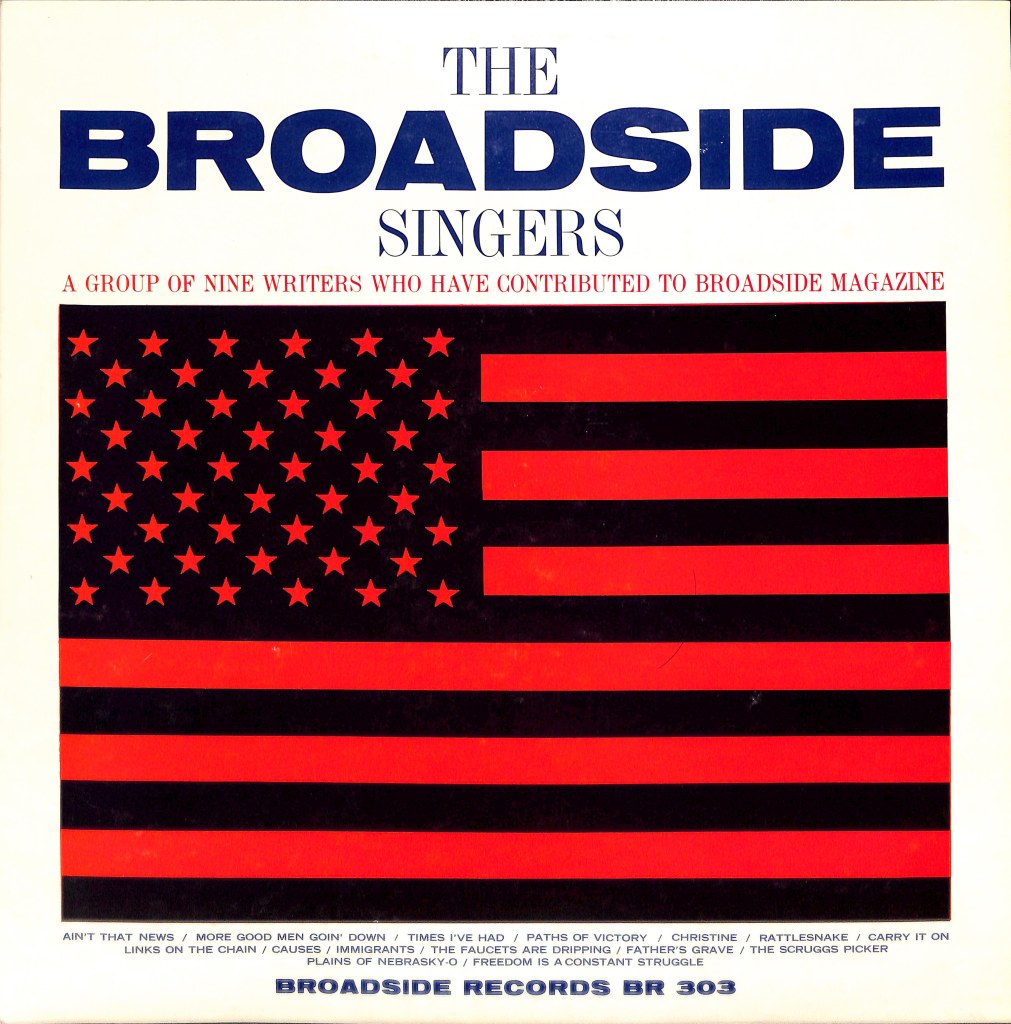
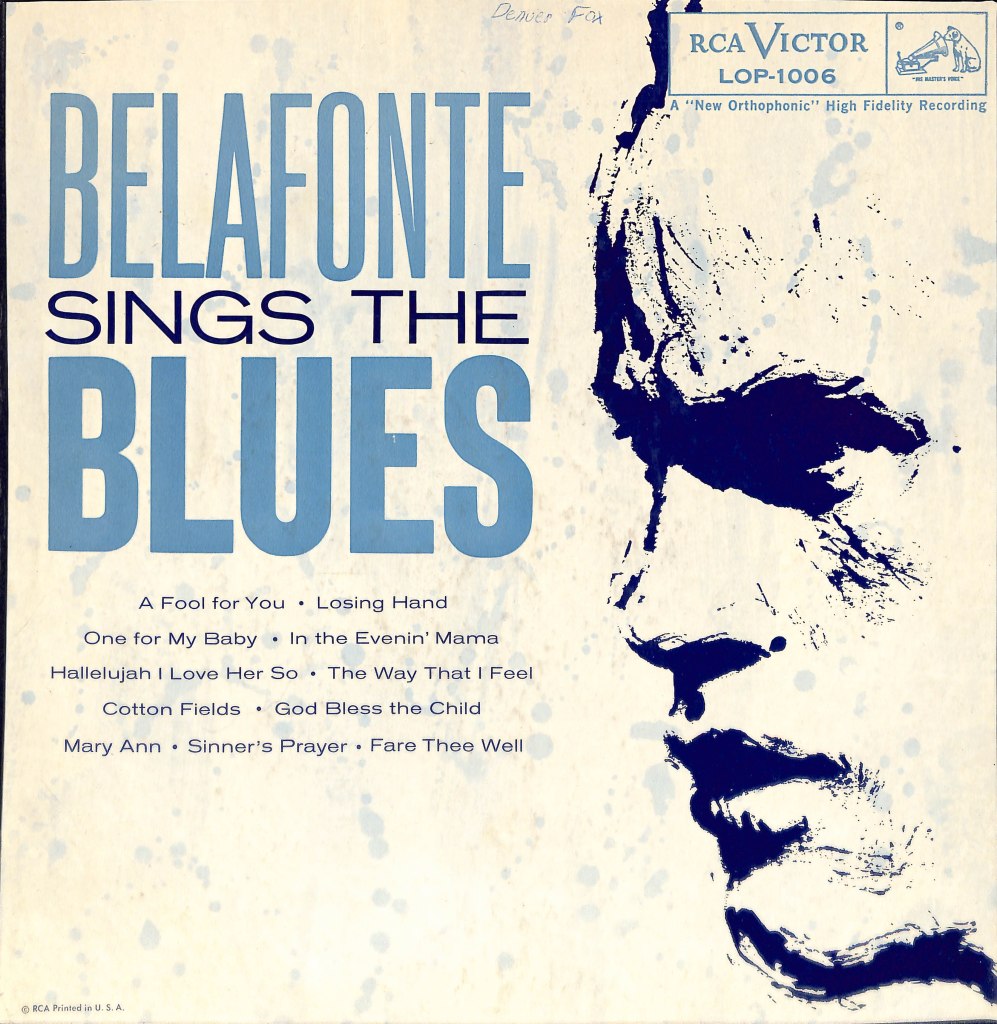
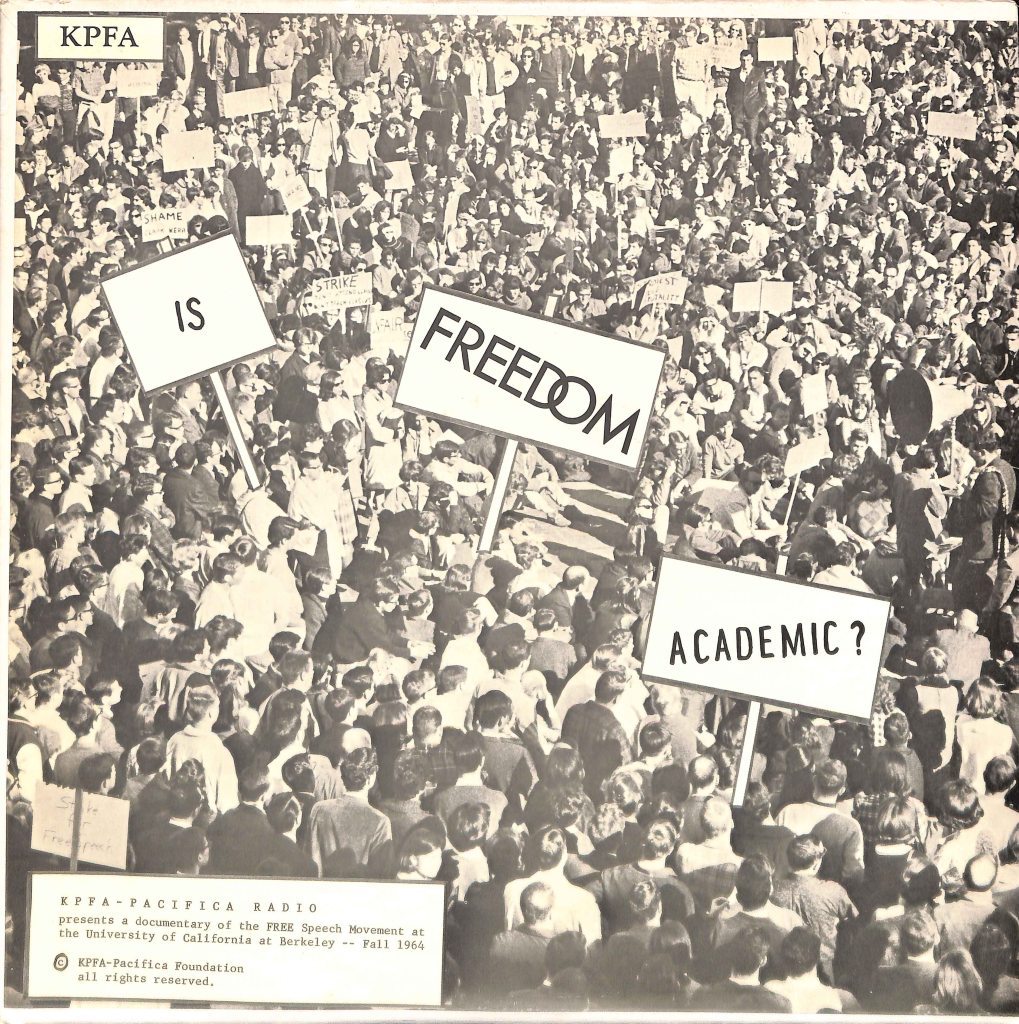
PCR’s LP collection: folk songs, train songs, civil rights songs, Russian songs, and a bunch of political nerdery.
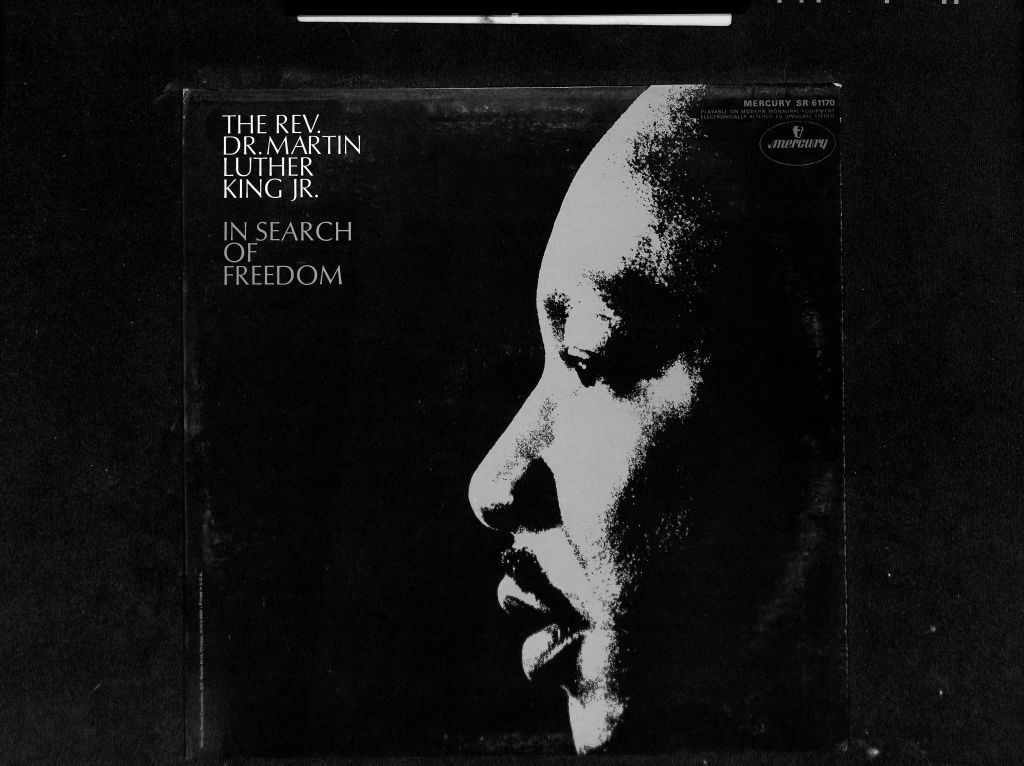
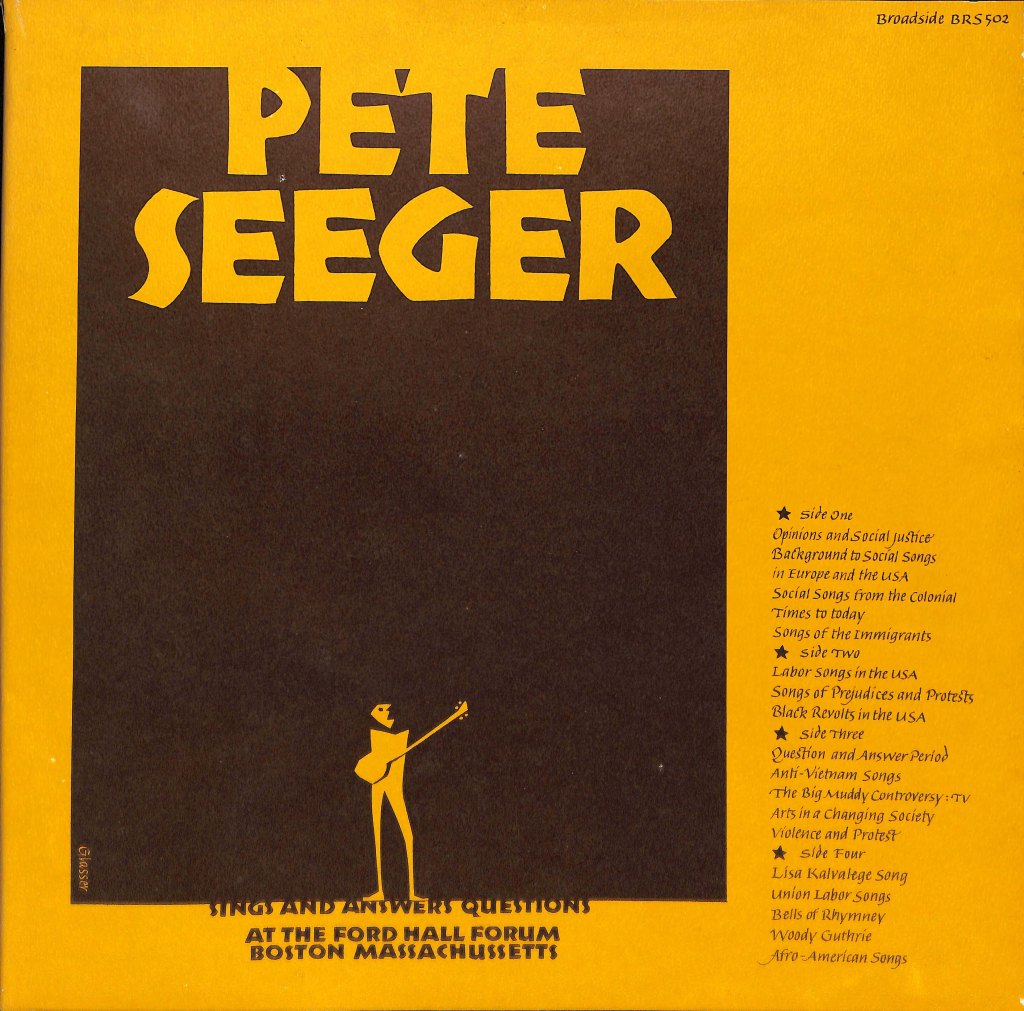
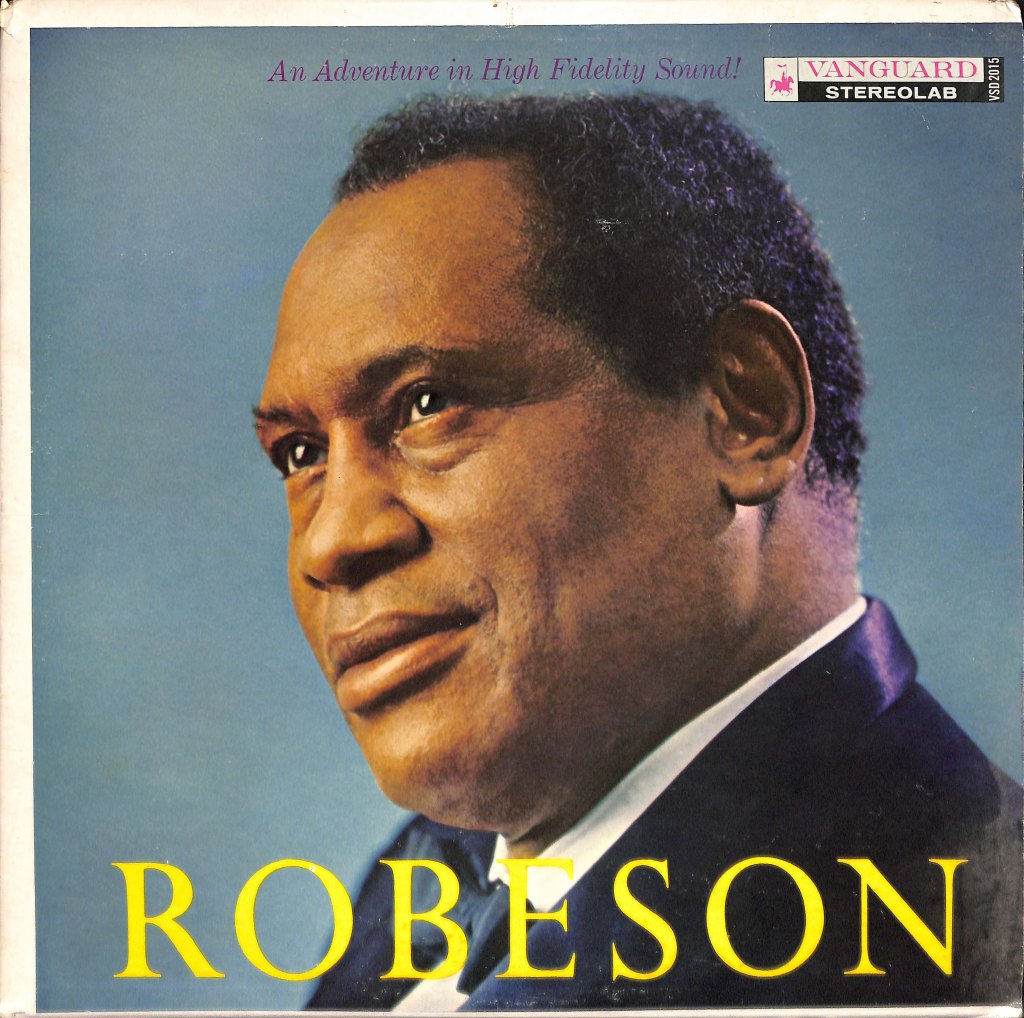
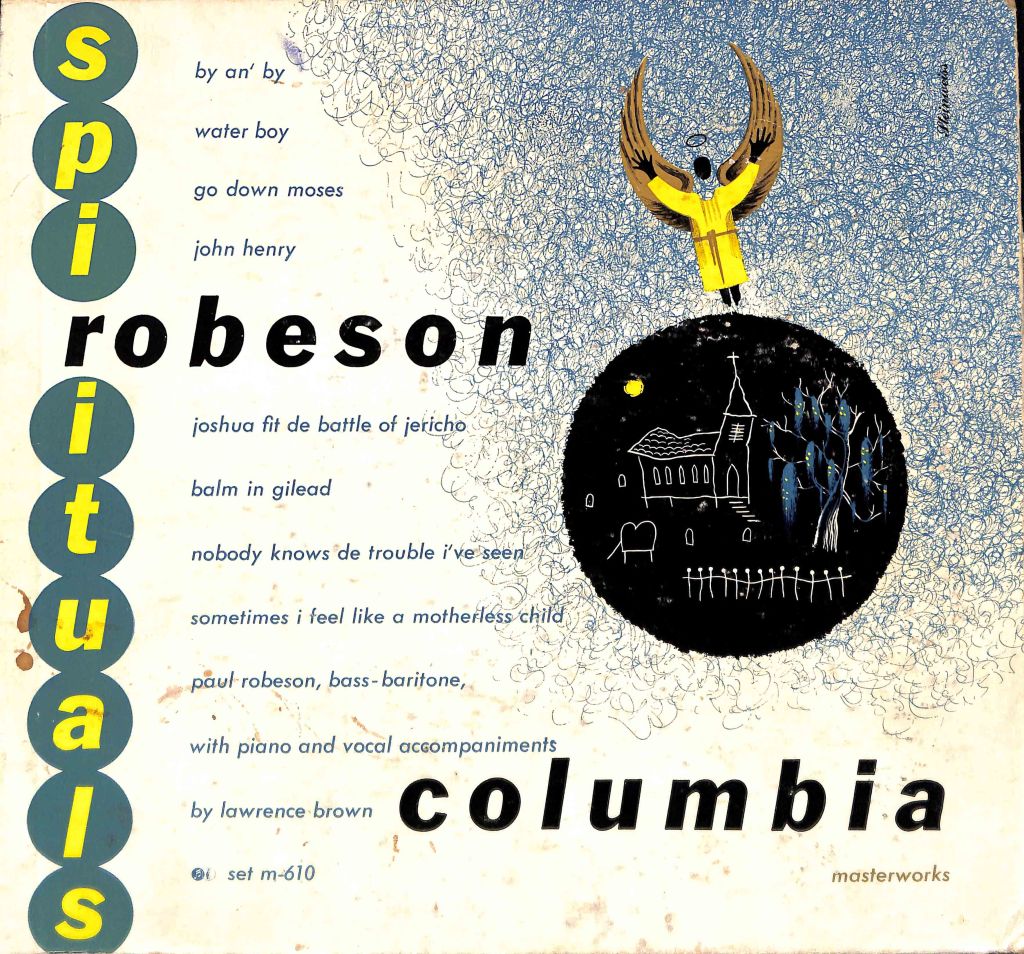
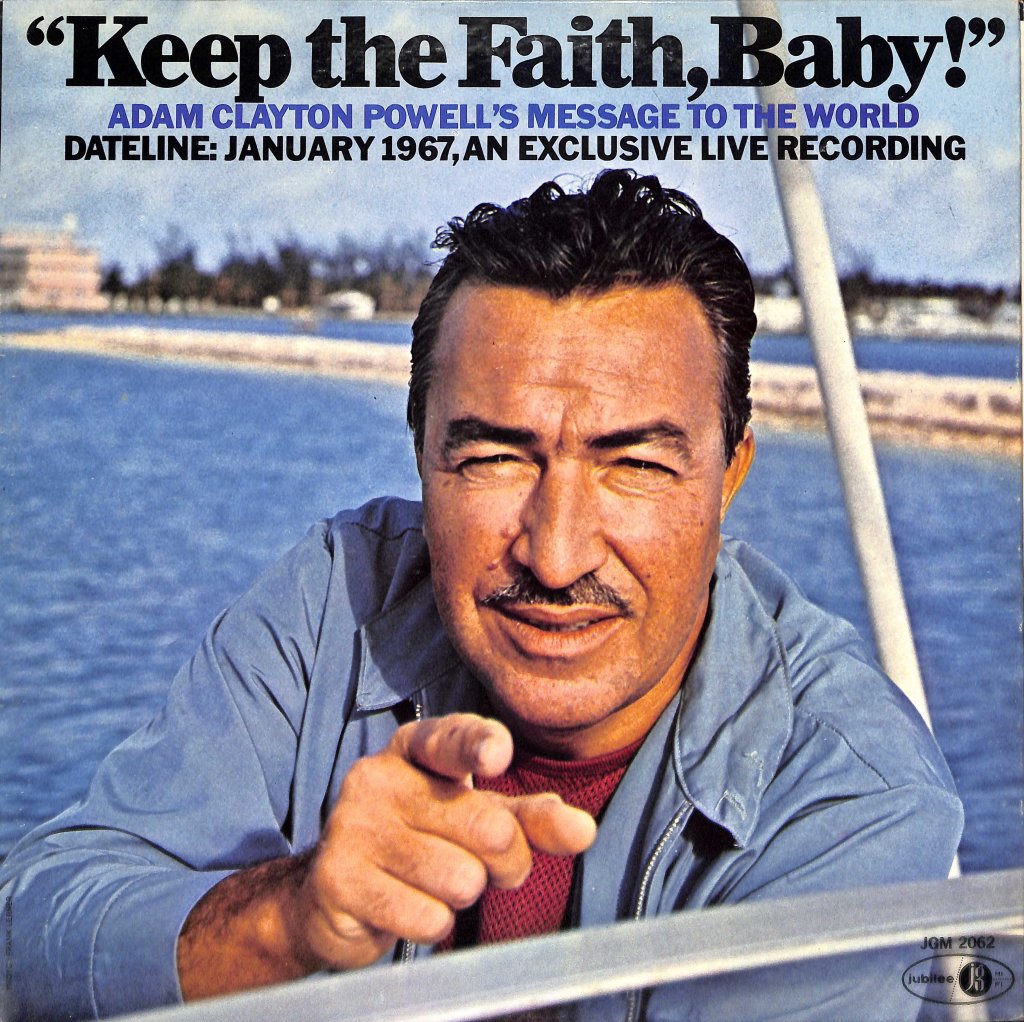
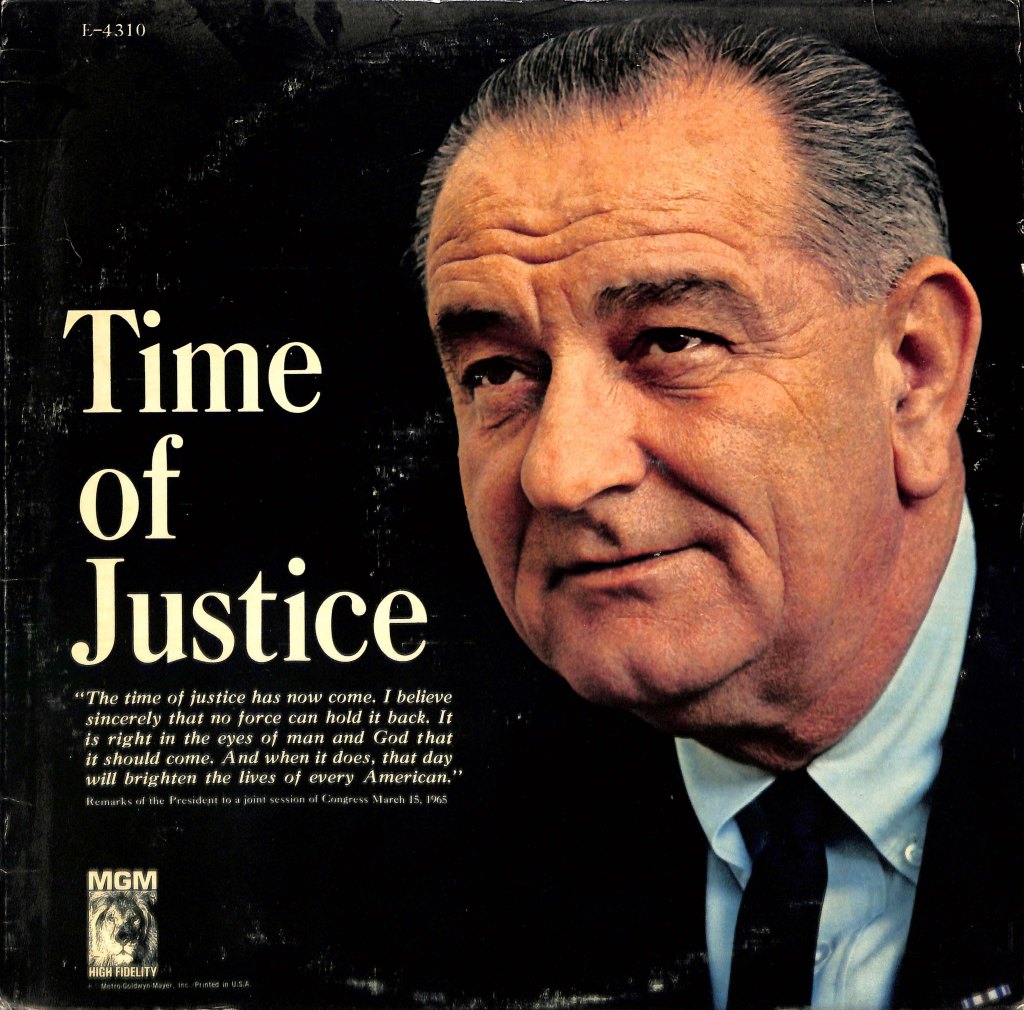
My father couldn’t carry a tune with a forklift, but boy did he love to sing. I have hilarious memories of him encouraging us to sing in the car, with the result that he and I would belt out “Roll On Columbia” together while my more musically-astute mother and brother cringed in their respective seats. After Dad passed in 1997, I got his collection of LPs, which I stored and moved and lugged around thinking I’d transfer them to digital media someday. Of course not. This year, I gave them to the Colorado Cross-Disability Coalition where they will feature in future fundraising efforts — stay tuned! Before sending them along, I took photos of some of the most memorable, most Dad-resonant, of the covers.

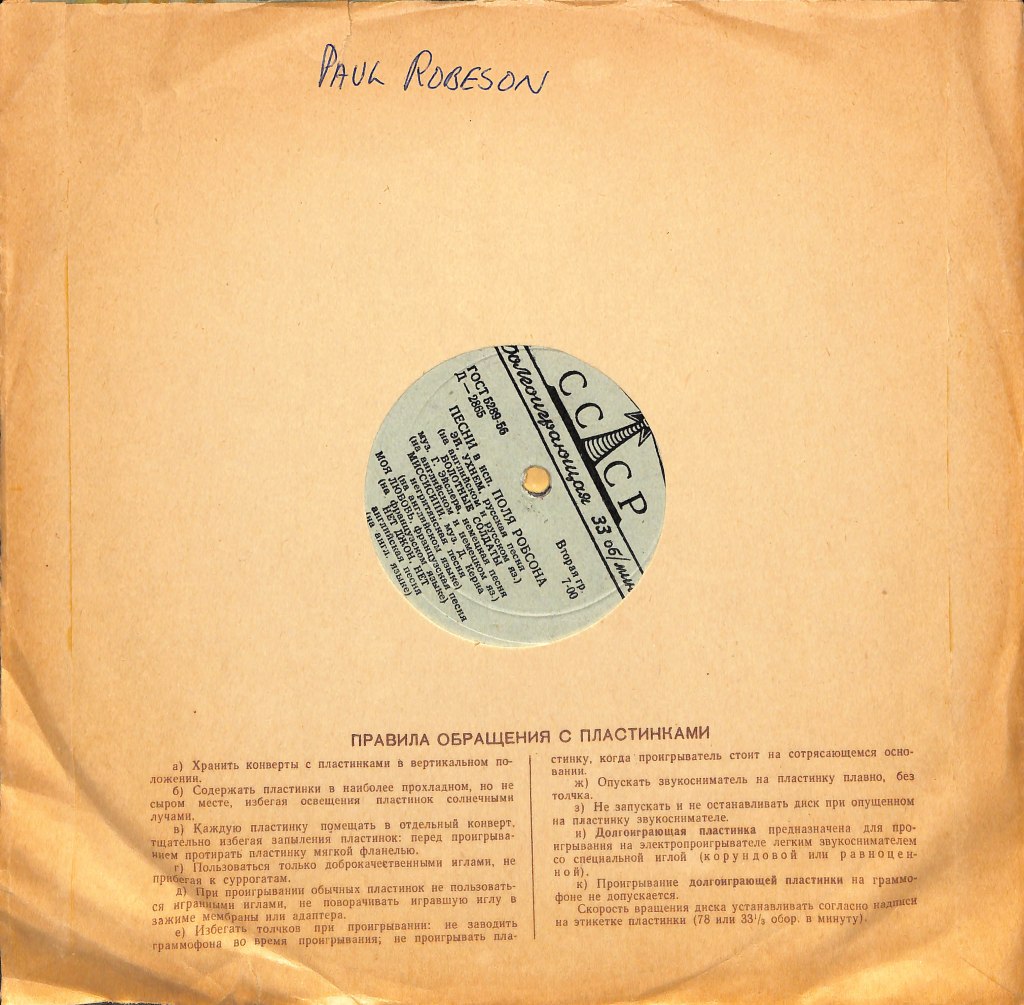
His collection consisted of folk songs; political songs (big overlap with folk songs); train songs; spirituals; historical songs; historical speeches and voices; comedy (I swear to God we had George Carlin’s Seven Words on LP but I couldn’t find it); two children’s records; and a number of records in Russian including Paul Robeson and the Red Army Chorus.

Note: All of the images below have alt text describing both the images and text on the pictured LP covers.

Folk Songs & Political Songs starting with his all-time favorite singer, Pete Seeger. Note that the Darling Corey album was so old he was called Peter Seeger.

Political/topical songs:

Train songs:

Paul Robeson, in English and Russian

And

Political speeches and voices, starting with Adlai Stevenson and Chester Bowles, two quixotic campaigns to which my Dad devoted a lot of time and energy:

This astonishing record in which various stars of the day spoke about the EEOC and Title VII of the Civil Rights Act of 1964, the agency and statute to which my father devoted his entire professional life.

And more history and political nerdery:

Comedy:

Two children’s records, which I remember fondly, though I regret that the delightful teachings of the Philadelphia Orchestra, Cyril Richard, and Benjamin Britten in the “Peter and the Wolf Young Person’s Guide” did not really stick.

And finally, three more records in Russian, two of which I can identify from my father’s handwritten notes — the Folk Song Chorus from Omsk and the Red Army Chorus — and the third my Russian-fluent mother has informed me is gypsy music.